

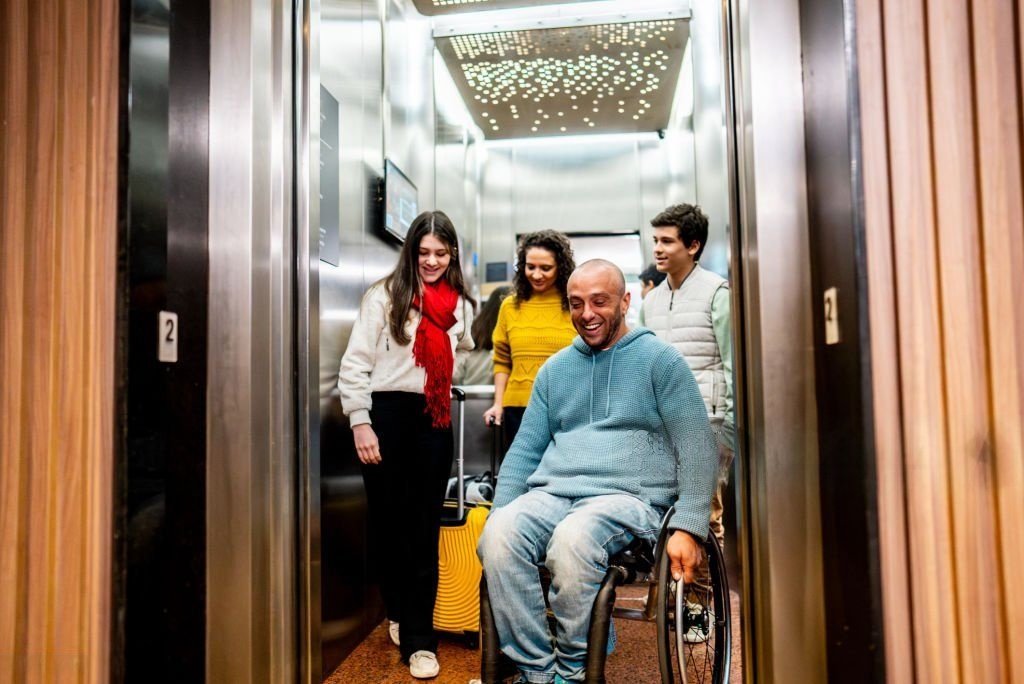
Elevator controls and automation systems are the brain and nervous system of modern vertical transportation, ensuring safe, smooth, and efficient elevator operation. As buildings become taller and more complex, advanced control systems play a crucial role in managing elevator traffic, energy consumption, and user safety. At Saitech Elevators, we integrate the latest control technologies to deliver superior elevator experiences. This guide explains the fundamentals of elevator controls and automation to help you understand their importance and functionality.
What Are Elevator Control Systems?
Elevator control systems coordinate all aspects of elevator service, including movement, speed regulation, door operations, and passenger requests. They process inputs from call buttons, sensors, and safety devices, then execute outputs such as moving the elevator cab, opening or closing doors, and displaying floor indicators.
Key Components of Elevator Controls
-
Controllers: The central processor that manages signals and commands for elevator operation.
-
Input Devices: Call buttons inside the cab and on floors, sensors detecting cab position and load, key switches for special functions.
-
Output Devices: Door mechanisms, display panels, alarm systems, and motor control interfaces.
Types of Elevator Control Systems
-
Single Automatic Control: Handles one passenger call at a time, suitable for low-rise buildings with low traffic.
-
Selective Collective Operation: Groups calls going in the same direction and optimizes stops efficiently, commonly used in mid- to high-rise buildings.
-
Advanced Group Control Systems: Manage multiple elevators in busy buildings, balancing load and minimizing wait times using algorithms and traffic analysis.
Automation in Elevators
Modern elevators use automation to enhance safety and performance:
-
Destination Control: Passengers enter their floor choice before boarding, allowing the system to group riders efficiently.
-
Remote Monitoring: Allows real-time tracking of elevator health and performance, leading to proactive maintenance and reduced downtime.
-
Emergency Return Systems: Automatically direct elevators to safe floors during emergencies or power failures.
-
Access Control: Integrates security systems to restrict floor access through biometrics, key cards, or codes.
Benefits of Advanced Elevator Controls
-
Improved ride comfort and reduced wait times
-
Enhanced safety through automatic fault detection and emergency protocols
-
Energy savings by optimizing motor operation and idle times
-
Greater accessibility and tailored user experiences
Why Saitech Elevators?
At Saitech Elevators, we provide customized control and automation solutions tailored to your building’s needs. Our expert team ensures seamless integration of components and software, delivering elevators that perform reliably while enhancing passenger satisfaction.